It’s time for the first contested presidential matchup of the Elections-verse! We’ve seen some pretty wild alternate realities so far, but this one is pretty simple: What if John Adams was better at being president?
My original post, from our own timeline, can be found here.
The Last Four Years
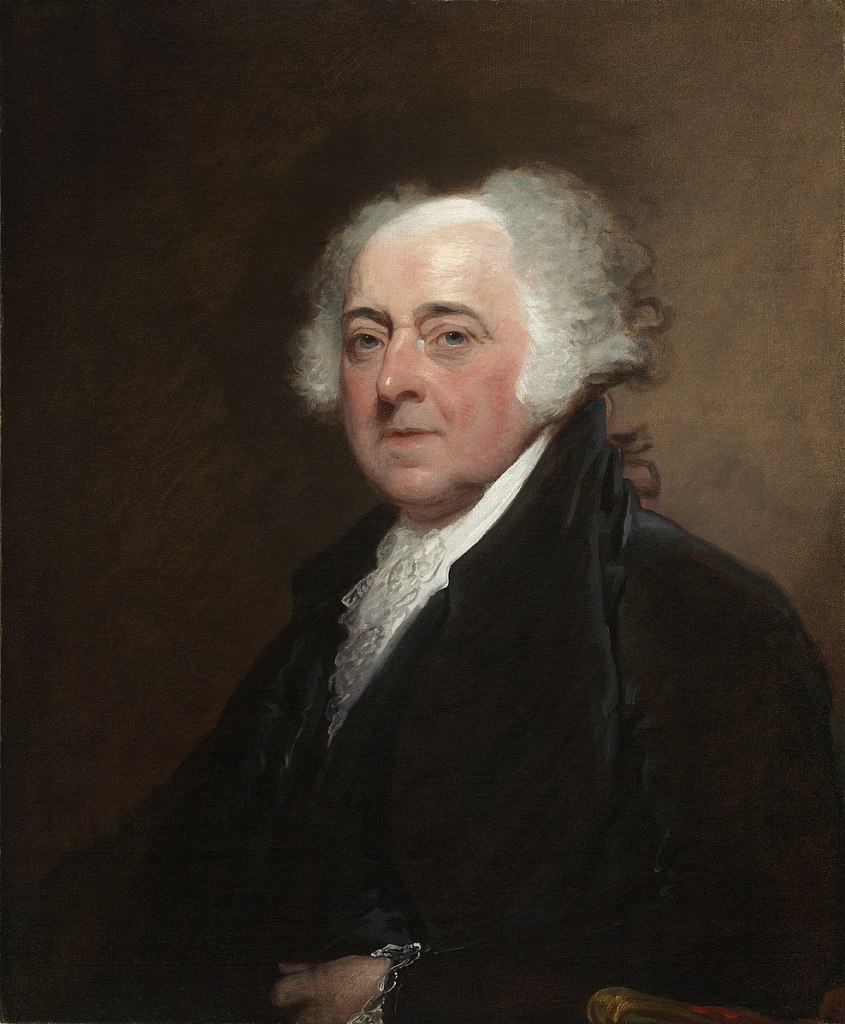
America’s second president, John Adams, was born into a working class Massachusetts family with roots dating back to the Puritans. Although he criticized the mob violence that became common during the Revolution, he was an early supporter of American independence. He served as Commissioner to France and Ambassador to Great Britain before getting picked as Washington’s vice president. Unfortunately for Adams, he was not one of Washington’s trusted advisors like Alexander Hamilton and Thomas Jefferson, and he was mostly confined to his duties in the Senate. Nonetheless, he was seen as the heir-apparent when Washington chose to step down. Adams, rightfully, gets a lot of credit for being one of only two presidents prior to 1850 who did not own slaves (the other being his son).
It would have been difficult for anyone to follow George Washington, but Adams was at a particular disadvantage. In contrast to his stoic and temperate predecessor, Adams was known to be thin-skinned, ill-tempered, and paranoid. Even during his time as a diplomat, he often feared that his peers were plotting against him. Adams was a Federalist, like Hamilton, though he disliked banks and preferred Jefferson’s agrarian vision for the country. He ultimately saw Hamilton (an immigrant from the British Caribbean) as an outsider who could never truly appreciate American culture. Though he was one of the most politically powerful men in the country, Hamilton was far too controversial to run for president himself. In 1796, he hoped to flip electors from Adams to his running mate, former South Carolina Governor Thomas Pinckney. This scheme inadvertently elected Thomas Jefferson as vice president instead (prior to the 12th Amendment, the second-place finisher became VP). Moderates in both parties were relieved to have a president not under the influence of Hamilton.
To ensure a smooth transition of power (importantly, the first ever!), Adams kept all of Washington’s cabinet. That meant keeping Hamilton loyalists, known as “High Federalists.” Unlike Washington, Adams was not eager to consult them before making big decisions. He further alienated them by spending a significant amount of time at his home in Massachusetts, away from the capital. His cabinet members took this personally and only grew closer to Hamilton.
Major Issues
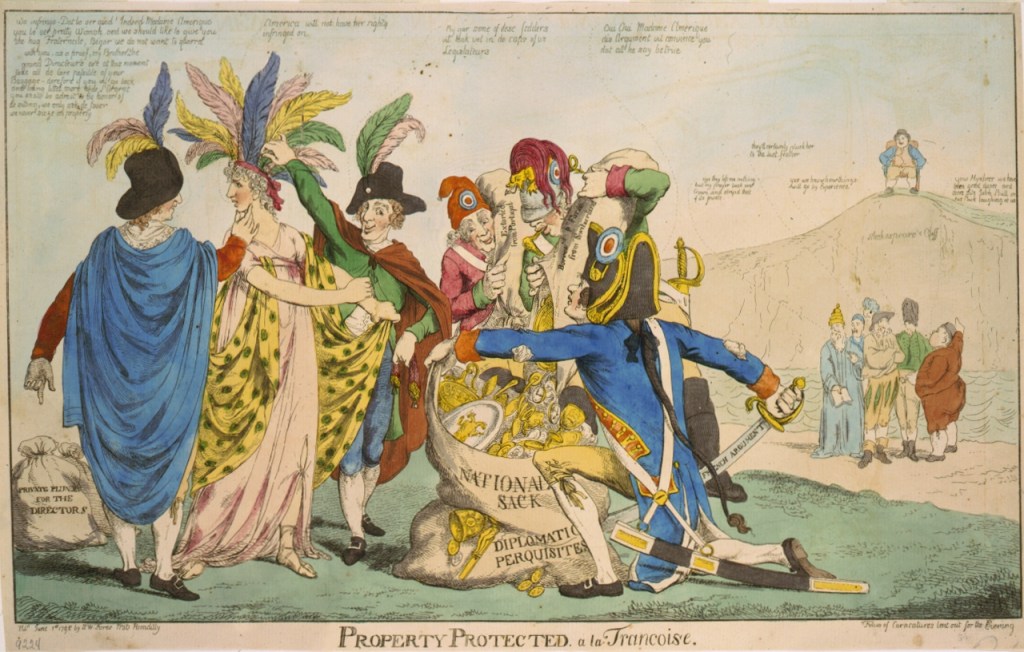
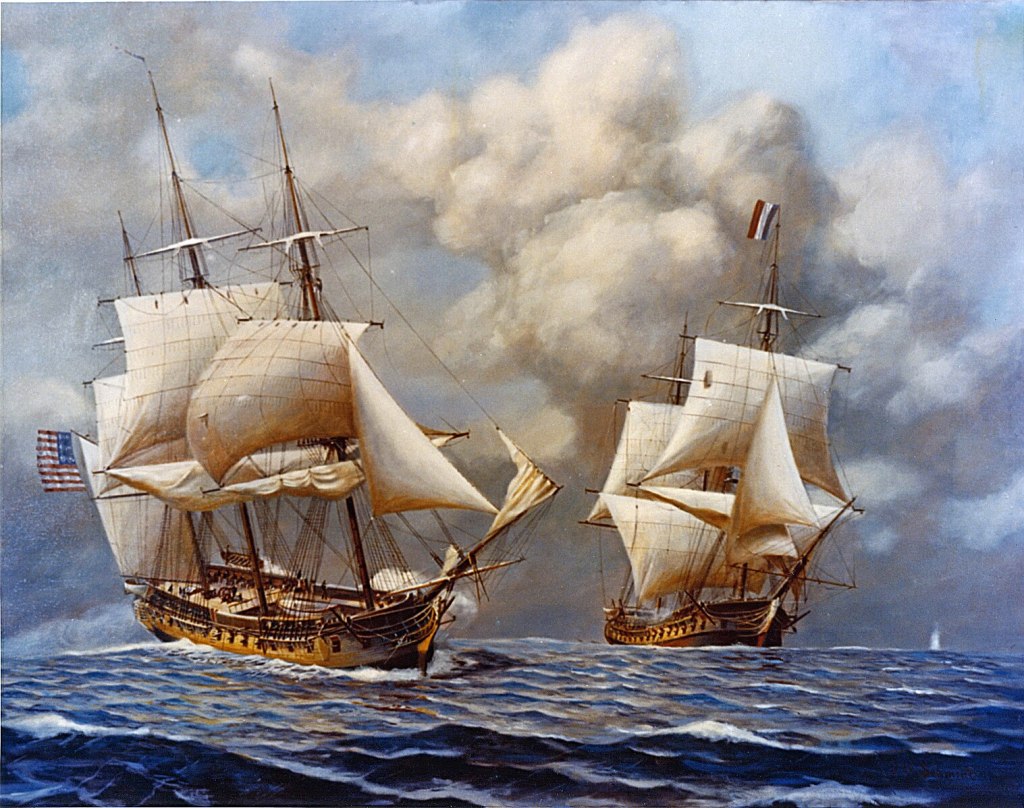
Adams’ term largely revolved around the Quasi-War with France. Predictably, France was not pleased with the Jay Treaty between America and Great Britain. They retaliated by attacking American merchant ships traveling to British ports, much like the British had done just a few years earlier. Adams responded with a two-part strategy: try to negotiate for peace while also building up the military. The situation worsened when three French diplomats demanded bribes from their American counterparts. The XYZ Affair (named for the code-letters used to describe the diplomats) sparked war fever amongst Federalists. Meanwhile, the “Provisional Army” (Americans were still weary of permanent standing armies) became an additional source of controversy. Adams had hastily appointed good ol’ George Washington to lead the unit, only to find that the former Commander-in-Chief was much more resigned and passive in his old age. He allowed partisan Federalists, specifically (you guessed it) Hamilton, to take charge and make most of the decisions.
Partisan divisions were at an all-time high. Democratic-Republicans were highly critical of Adams, and feared that war with France would drive the US back into the arms of Great Britain. Federalists physically attacked “traitorous” Democratic-Republican newspapers in Philadelphia. The party became increasingly paranoid and nativist. Adams signed the Alien and Sedition Acts, which made it more difficult to gain citizenship and criminalized malicious statements about the government. The laws were so controversial that Thomas Jefferson and James Madison anonymously wrote statements (the Kentucky and Virginia Resolutions, respectively) that essentially argued for state nullification of federal laws, an idea that could have started a civil war. If they had been discovered, they could have been charged with sedition.
~The Time Warp~
War! The XYZ Affair set the US and France on a path towards armed conflict that could not be avoided. While American diplomats reported to Adams that the French were open to resuming peace talks (without bribes this time, they swear), he was in too deep with the Federalist partisans to trust them. If he had any chance of winning re-election, he would need to stay loyal to his party. Hamilton and his connections in the Cabinet finally convinced Adams to join their side. America battled France in the western theater of the War of the Second Coalition, while Britain and other major world powers fought them in Europe. Much like the War of 1812 in our timeline, the conflict inspired intense patriotism at home, further unifying the United States. Federalists took advantage of their strong political position to expand their control of state and local offices.
The Candidates
As America’s first wartime president, Adams was in a strong position. Federalists argued for consistency in office during a time of crisis. Their vision for a strong central government was necessary to fight the French. After all, anyone who said otherwise was a traitor! This time, the party chose Charles Cotesworth Pinckney as his running mate (the brother of Hamilton’s preferred candidate, Thomas Pinckney, four years prior). Charles had been part of the peace commission faced with the XYZ Affair, giving him a personal connection to the war. As a Southerner, he could also help pick off rural votes from the Democratic-Republicans.
Democratic-Republicans turned once again to their ideological leader, Thomas Jefferson. Jefferson had a lot of support from Americans who were concerned with individual liberties, particularly rural farmers and Southerners. Unfortunately, as the former Minister to France, his sympathies to the French Revolution were well known. In this timeline, few Americans still felt a moral bond to their cause. His running mate was New York politician, and infamous political flip-flopper, Aaron Burr.
The Winner
John Adams won re-election! The results were similar to 1796. Adams maintained a stronghold in New England, while Jefferson performed best in the South. Adams was was relieved to have avoided the embarrassment of being America’s first one-term president.
The Future
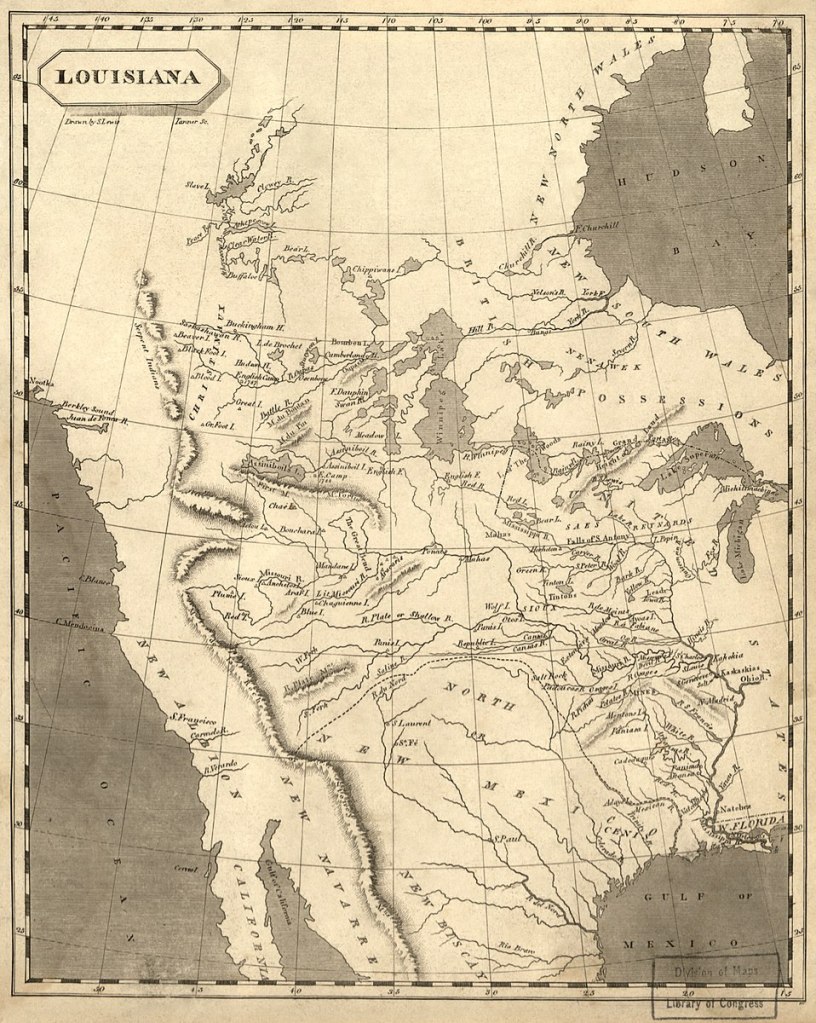
While the War of the Second Coalition failed to overthrow the new French government, in this universe, it had major ramifications for the American continent. With Adams’ blessing, Great Britain was able to take control of Louisiana Territory, forever obstructing America’s westward expansion. Surrounded on all sides by the British, America would be forced to defer to the Crown for foreign policy decisions. Hamilton and the Federalists made sure the US maintained a strong trading relationship with all British ports.
At home, Federalists continued to dominate elections throughout the 1800s and 1810s. Jefferson, Madison, and Monroe never became president. Instead, Adams was followed by Hamilton and Charles Cotesworth Pinckney. The economy saw rapid expansion due to Hamilton’s economic policies, but times were toughest for farmers, who struggled to buy imported goods and to manage their debt. Federalists gave in to their elitist tendencies and campaigned against the expansion of the popular vote. Similarly, the Alien and Sedition Acts stayed in place, significantly diluting the power of the First Amendment. Although Federalists were less likely to be slaveowners, they were not any more likely to dismantle the institution, making the Missouri Compromise inevitable.
What Did It Say About America?
Big government wins! Americans chose to betray some of their founding values in favor of winning the war.
Was It The Right Decision?
Not exactly. Adams meant well, but he simply did not have the disposition to be president. And the Federalists overall did not always have the country’s best intensions in mind. In previous Elections-verses, we’ve seen how Jefferson’s vision for America would have weakened the country overall. Although I may be exaggerating the likelihood that Adams had any chance to win re-election, I think it’s important to realize that neither the Federalists nor the Democratic-Republicans had the moral high-ground. America’s future success depended on a mix of both of their values. Funny how that worked out.
Images
1. USS Constellation vs. L’Insurgente, 1981 — Rear Admiral John William Schmidt, Navy History and Heritage Command / Wikimedia Commons / Public Domain
2. John Adams, c. 1800-1815 — Gilbert Stuart / Wikimedia Commons / Public Domain
3. Property Protected à la Françoise, 1789 — SW Fores, Library of Congress / Wikimedia Commons / Public Domain
4. Louisiana, 1804 — Samuel Lewis, Library of Congress / Wikimedia Commons / Public Domain
Resources
Chernow, Ron. Alexander Hamilton. The Penguin Press, 2004.


