While you stew in anxiety, why not read about six elections with parallels to today's contest?
Historical Elections I’ll Be Thinking About On Election Day 2024
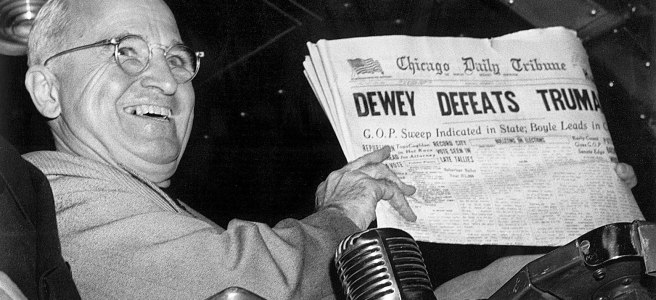
While you stew in anxiety, why not read about six elections with parallels to today's contest?
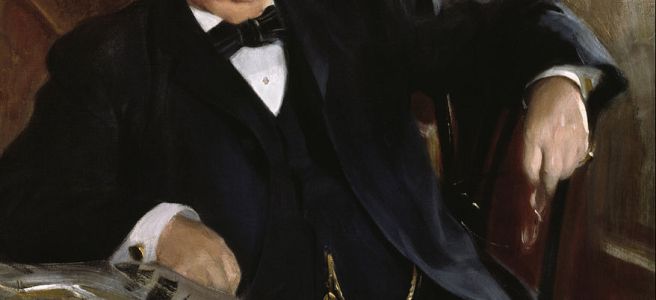
Cleveland's two nonconsecutive terms are an inconvenience for historians, but they also tell us a lot about the Democratic Party of the Gilded Age.
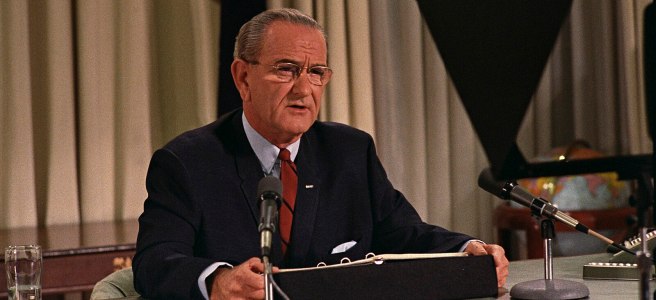
Why do you ask?
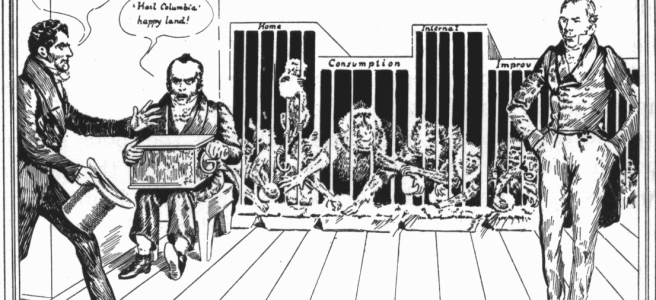
President John Quincy Adams faced an angry Democratic Party ready for a rematch. Was there anything he could have done to stop them?
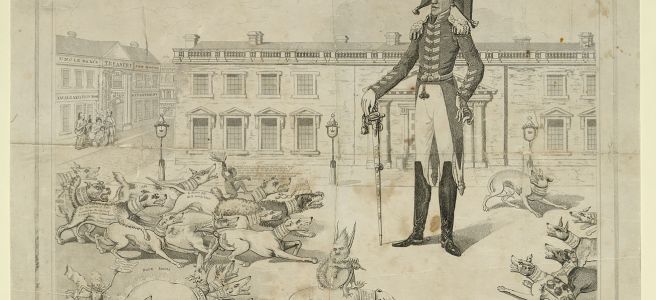
To Jackson supporters, this election represented everything that was wrong with the corrupt government. Could there have been another outcome?
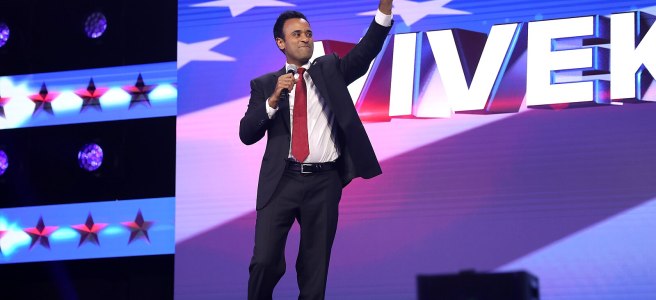
In 2016, Newt Gingrich said that feelings were more important than facts... and I'm still thinking about that!
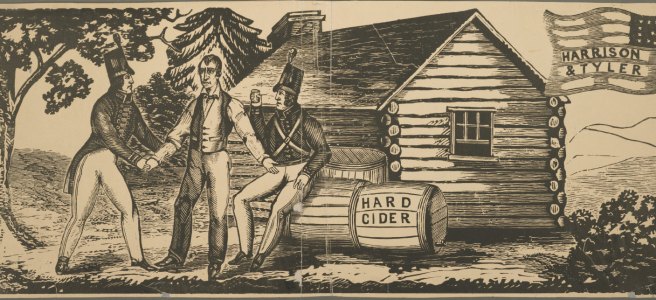
The Whigs' foundational principles united their factions, but they still needed a presidential candidate they could all agree on. Here's how they (eventually) found that candidate.
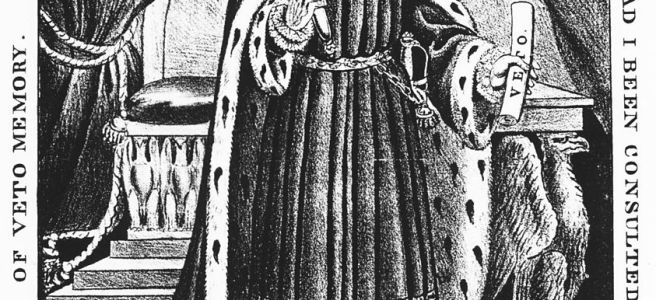
The National Republicans needed a fresh start in order to unite opposition forces against President Andrew Jackson. As the Whig Party, they learned to appeal to voters with broad ideological principles.

In Theodore Roosevelt's later years, he became more extreme in his views. His eventual break from the Republican Party had massive effects on the political alignment of the nation. But was this sudden shift motivated by principle... or ego?
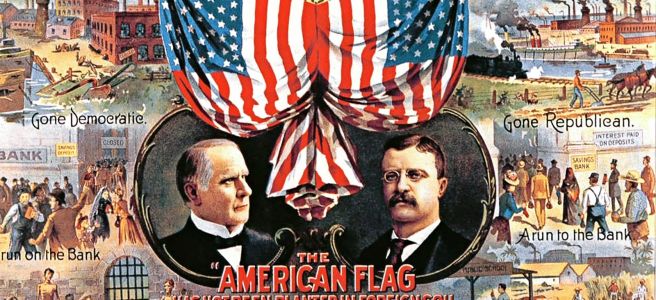
President Theodore Roosevelt is remembered as a progressive hero, but that only tells half the story. His legacy is best understood as a series of moderate advances meant to keep true "radicals" at bay.
 Election Tuesdays